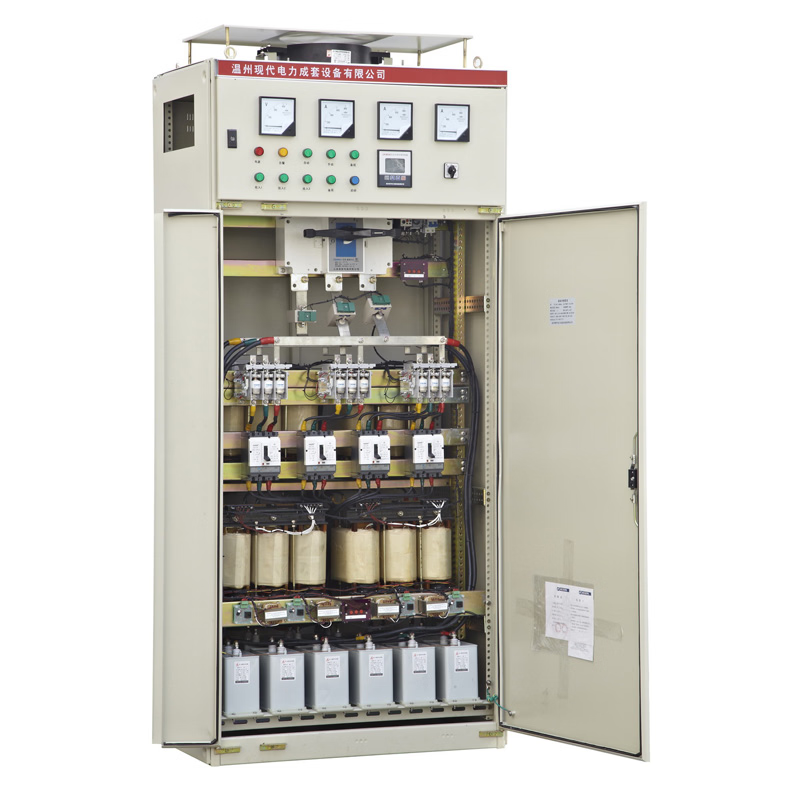
Power Factor Correction System in Meerut
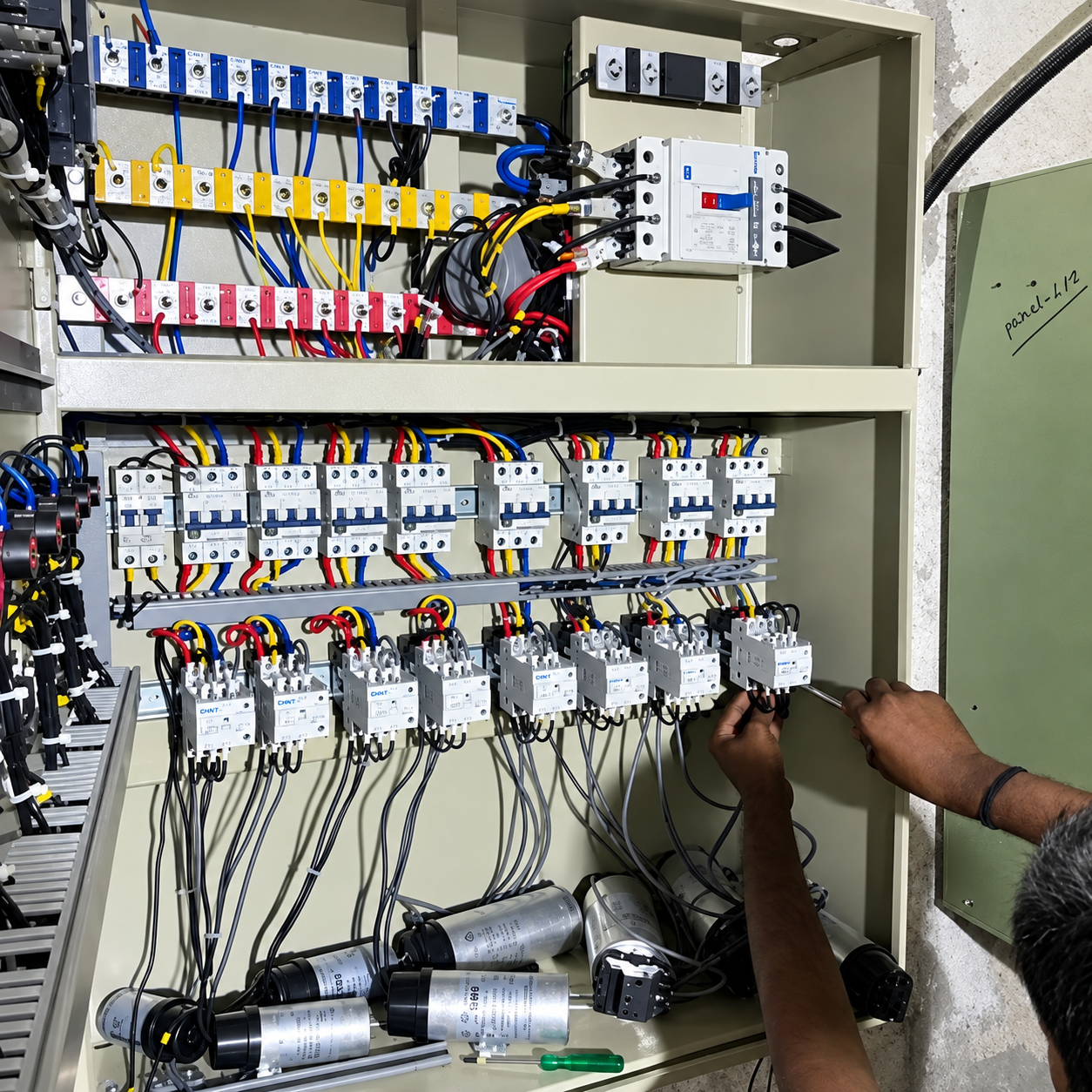
Power Factor Correction System in Meerut for Demanding Electrical Loads
As part of the initial survey, the Power Factor Correction System in Meerut should be considered for Partapur manufacturing sheds only after engineers inspect breaker ratings, cable routes and busbar capacity. This helps establish clearer coordination between the electrical team and facility manager. This approach keeps the proposal tied to measured evidence instead of relying only on connected-load estimates.
When the facility team reviews its panel, Modipuram education campuses can benefit from a review that will check contactor condition and capacitor-duty suitability; the purpose is to establish a documented basis for deciding whether an existing bank can remain in service. The final selection needs to account for actual demand, protective coordination and the conditions in which the panel will run.
Why Meerut Facilities Need Load-Based Compensation
For Delhi Road workshops, engineers should verify commissioning readings after each agreed installation stage before deciding whether correction equipment needs adjustment. The proposal should reflect a recommendation based on observed conditions rather than a generic rating. The review should also consider available panel space, ventilation and access for future maintenance.
As new machinery is introduced, the electrical team should review harmonic levels before specifying capacitor units at Mohiuddinpur processing units, then document a more practical maintenance schedule for the installed panel. Any expected improvement should be evaluated from site data, with the assumptions clearly stated.
Request a Consultation ↗Build the Correction Plan Around Your Actual Installation
When an electrical room is being refurbished, the Power Factor Correction System in Meerut should be considered for Pallavpuram retail buildings only after engineers document voltage behaviour during typical production cycles. This helps establish an equipment proposal aligned with the actual distribution arrangement. A qualified electrical team should verify the readings and confirm that the proposed arrangement is suitable for the installation. Meerut power factor solutions
- Log demand during normal operating hours for Meerut site review 1
- Compare reactive and active power readings for Meerut site review 2
- Check APFC controller response under changing load for Meerut site review 3
- Inspect capacitor-duty switching components for Meerut site review 4
- Review protection coordination and isolation points for Meerut site review 5
- Screen for harmonic concerns before capacitor selection for Meerut site review 6
- Confirm panel ventilation and service clearance for Meerut site review 7
Before equipment is specified, Meerut industrial estates can benefit from a review that will review planned machinery additions with the electrical supervisor; the purpose is to establish a record that can be compared with future operating readings. Commissioning should confirm controller operation and record results under representative load conditions.
Electrical Assessment for Local Production Units
For Shastri Nagar office blocks, engineers should check ventilation, clearances and service access around the panel before deciding whether correction equipment needs adjustment. The proposal should reflect a design discussion that accounts for both current demand and planned changes. Where nonlinear equipment is present, the assessment should include suitable power-quality checks before the capacitor arrangement is finalised.
During a routine maintenance visit, the electrical team should review feeder distribution before deciding the compensation stages at Garh Road healthcare premises, then document a more useful basis for choosing the APFC control sequence. The site team can then use the documented results to plan service intervals and future changes.
Before an existing capacitor bank is replaced, the Power Factor Correction System in Meerut should be considered for Transport and logistics yards near the bypass only after engineers check the practical route for maintenance and inspection. This helps establish better visibility into the reasons for recurring power-factor variation. The findings should be recorded with the operating conditions so that later checks use a meaningful reference point.
For sites with multiple feeder panels, sports and recreation complexes can benefit from a review that will study motor-starting patterns and frequent switching events; the purpose is to establish a clear distinction between short demand peaks and persistent reactive load. Installation timing and safe isolation should be agreed with the people responsible for day-to-day operations.
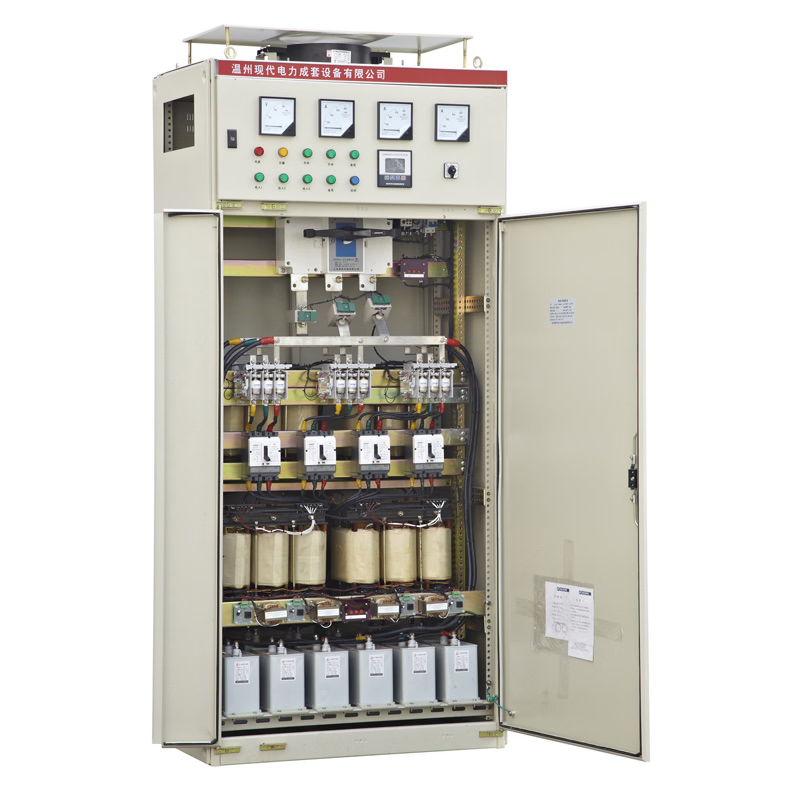
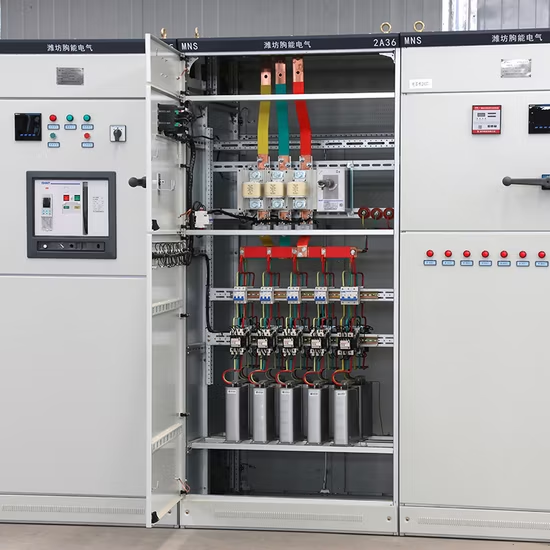
APFC Options for Variable Daily Demand
For commercial kitchens and food units, engineers should confirm that protective settings suit the proposed arrangement before deciding whether correction equipment needs adjustment. The proposal should reflect fewer assumptions when planning equipment replacement or expansion. This approach keeps the proposal tied to measured evidence instead of relying only on connected-load estimates.
During a planned electrical review, the electrical team should record current and peak demand at representative intervals at small engineering factories, then document a safer sequence for installation, testing and handover. The final selection needs to account for actual demand, protective coordination and the conditions in which the panel will run.
At the design discussion, the Power Factor Correction System in Meerut should be considered for multi-storey commercial buildings only after engineers review the controller history alongside the site logbook. This helps establish clearer coordination between the electrical team and facility manager. The review should also consider available panel space, ventilation and access for future maintenance.
When readings differ between operating periods, warehouses with powered handling systems can benefit from a review that will record the present panel condition before planning a replacement; the purpose is to establish a documented basis for deciding whether an existing bank can remain in service. Any expected improvement should be evaluated from site data, with the assumptions clearly stated.
For facilities running air compressors, engineers should compare active power with reactive-power readings before deciding whether correction equipment needs adjustment. The proposal should reflect a recommendation based on observed conditions rather than a generic rating. A qualified electrical team should verify the readings and confirm that the proposed arrangement is suitable for the installation.
Plan for Capacitor Switching and Protection
- Record commissioning readings for later comparison for Meerut site review 8
- Check the condition of existing capacitor stages for Meerut site review 9
- Plan access around production schedules for Meerut site review 10
- Verify cable and busbar suitability for Meerut site review 11
- Discuss future machinery additions with the site team for Meerut site review 12
- Review load imbalance across distribution feeders for Meerut site review 13
- Check the panel log for repeated alarms for Meerut site review 14
- Agree maintenance intervals based on actual operating conditions for Meerut site review 15
- Document the final settings and handover details for Meerut site review 16
Electrical Checks That Shape a Suitable APFC Proposal
For a business reviewing energy performance, the electrical team should confirm the available space and safe isolation arrangements at buildings with central cooling equipment, then document a more practical maintenance schedule for the installed panel. Commissioning should confirm controller operation and record results under representative load conditions.
As part of the initial survey, the Power Factor Correction System in Meerut should be considered for sites using pumps for water circulation only after engineers assess whether the existing bank matches current equipment demand. This helps establish an equipment proposal aligned with the actual distribution arrangement. Where nonlinear equipment is present, the assessment should include suitable power-quality checks before the capacitor arrangement is finalised.
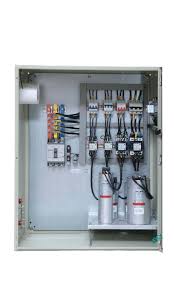
Inspect Panel Capacity Before Equipment Selection
Practical Benefits of Better Reactive-Power Management
When an electrical room is being refurbished, the Power Factor Correction System in Meerut should be considered for commercial sites with standby power equipment only after engineers inspect breaker ratings, cable routes and busbar capacity. This helps establish better visibility into the reasons for recurring power-factor variation. This approach keeps the proposal tied to measured evidence instead of relying only on connected-load estimates.
Before equipment is specified, buildings with lifts and escalators can benefit from a review that will check contactor condition and capacitor-duty suitability; the purpose is to establish a clear distinction between short demand peaks and persistent reactive load. The final selection needs to account for actual demand, protective coordination and the conditions in which the panel will run.
For units with refrigeration cycles, engineers should verify commissioning readings after each agreed installation stage before deciding whether correction equipment needs adjustment. The proposal should reflect fewer assumptions when planning equipment replacement or expansion. The review should also consider available panel space, ventilation and access for future maintenance.
During a routine maintenance visit, the electrical team should review harmonic levels before specifying capacitor units at sites using variable-speed drives, then document a safer sequence for installation, testing and handover. Any expected improvement should be evaluated from site data, with the assumptions clearly stated.
Before an existing capacitor bank is replaced, the Power Factor Correction System in Meerut should be considered for facilities with long operating shifts only after engineers document voltage behaviour during typical production cycles. This helps establish clearer coordination between the electrical team and facility manager. A qualified electrical team should verify the readings and confirm that the proposed arrangement is suitable for the installation.
For sites with multiple feeder panels, older buildings undergoing electrical refurbishment can benefit from a review that will review planned machinery additions with the electrical supervisor; the purpose is to establish a documented basis for deciding whether an existing bank can remain in service. Commissioning should confirm controller operation and record results under representative load conditions.
For new premises preparing for energisation, engineers should check ventilation, clearances and service access around the panel before deciding whether correction equipment needs adjustment. The proposal should reflect a recommendation based on observed conditions rather than a generic rating. Where nonlinear equipment is present, the assessment should include suitable power-quality checks before the capacitor arrangement is finalised.
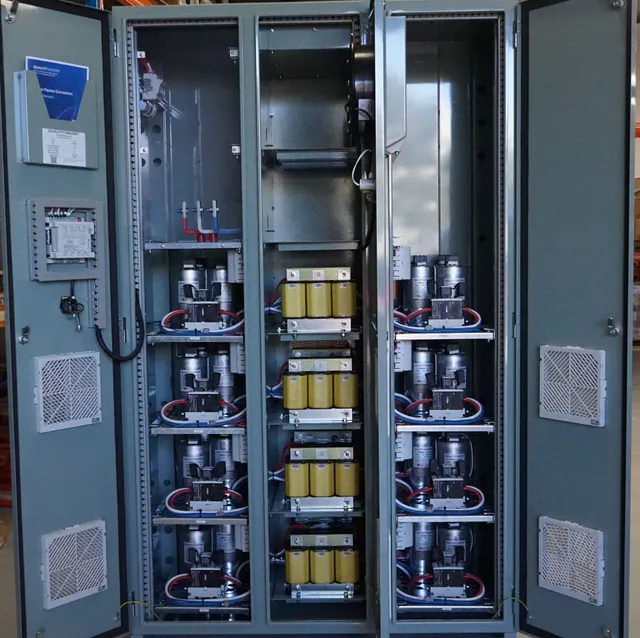
Respond to Load Changes Across Work Shifts
During a planned electrical review, the electrical team should review feeder distribution before deciding the compensation stages at sites with mixed single-phase and three-phase loads, then document a more practical maintenance schedule for the installed panel. The site team can then use the documented results to plan service intervals and future changes.
At the design discussion, the Power Factor Correction System in Meerut should be considered for businesses with changing occupancy only after engineers check the practical route for maintenance and inspection. This helps establish an equipment proposal aligned with the actual distribution arrangement. The findings should be recorded with the operating conditions so that later checks use a meaningful reference point.
When readings differ between operating periods, production areas with staggered machine starts can benefit from a review that will study motor-starting patterns and frequent switching events; the purpose is to establish a record that can be compared with future operating readings. Installation timing and safe isolation should be agreed with the people responsible for day-to-day operations.
For Partapur manufacturing sheds, engineers should confirm that protective settings suit the proposed arrangement before deciding whether correction equipment needs adjustment. The proposal should reflect a design discussion that accounts for both current demand and planned changes. This approach keeps the proposal tied to measured evidence instead of relying only on connected-load estimates.
For a business reviewing energy performance, the electrical team should record current and peak demand at representative intervals at Modipuram education campuses, then document a more useful basis for choosing the APFC control sequence. The final selection needs to account for actual demand, protective coordination and the conditions in which the panel will run.
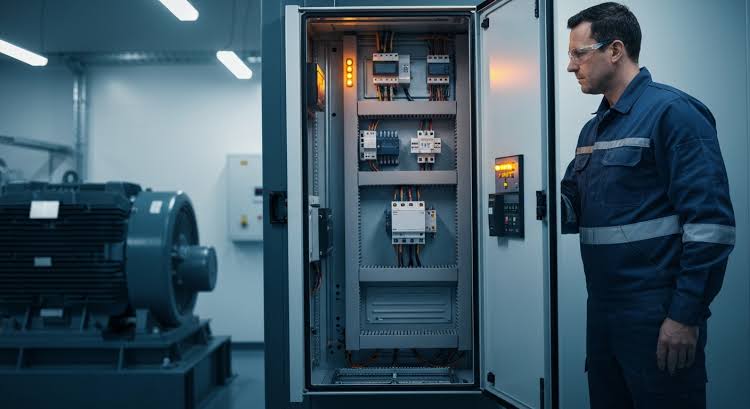
Document Commissioning Results Clearly
As part of the initial survey, the Power Factor Correction System in Meerut should be considered for Delhi Road workshops only after engineers review the controller history alongside the site logbook. This helps establish better visibility into the reasons for recurring power-factor variation. The review should also consider available panel space, ventilation and access for future maintenance.
When the facility team reviews its panel, Mohiuddinpur processing units can benefit from a review that will record the present panel condition before planning a replacement; the purpose is to establish a clear distinction between short demand peaks and persistent reactive load. Any expected improvement should be evaluated from site data, with the assumptions clearly stated.
For Pallavpuram retail buildings, engineers should compare active power with reactive-power readings before deciding whether correction equipment needs adjustment. The proposal should reflect fewer assumptions when planning equipment replacement or expansion. A qualified electrical team should verify the readings and confirm that the proposed arrangement is suitable for the installation.
As new machinery is introduced, the electrical team should confirm the available space and safe isolation arrangements at Meerut industrial estates, then document a safer sequence for installation, testing and handover. Commissioning should confirm controller operation and record results under representative load conditions.
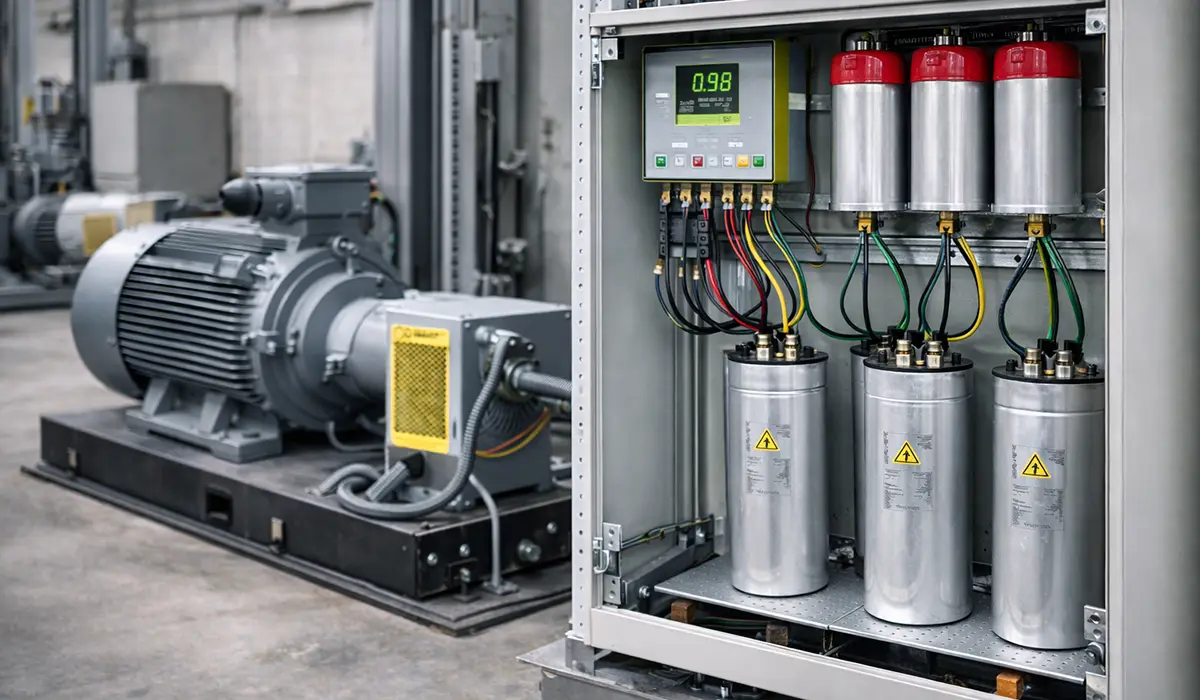
Check Harmonic Conditions Before Finalising Capacitors
When an electrical room is being refurbished, the Power Factor Correction System in Meerut should be considered for Shastri Nagar office blocks only after engineers assess whether the existing bank matches current equipment demand. This helps establish clearer coordination between the electrical team and facility manager. Where nonlinear equipment is present, the assessment should include suitable power-quality checks before the capacitor arrangement is finalised.
Before equipment is specified, Garh Road healthcare premises can benefit from a review that will verify capacitor-stage response while the load changes; the purpose is to establish a documented basis for deciding whether an existing bank can remain in service. The site team can then use the documented results to plan service intervals and future changes.
For Transport and logistics yards near the bypass, engineers should compare utility readings with the facility’s operating schedule before deciding whether correction equipment needs adjustment. The proposal should reflect a recommendation based on observed conditions rather than a generic rating. The findings should be recorded with the operating conditions so that later checks use a meaningful reference point.
During a routine maintenance visit, the electrical team should look for load imbalance between operating departments at sports and recreation complexes, then document a more practical maintenance schedule for the installed panel. Installation timing and safe isolation should be agreed with the people responsible for day-to-day operations.
Before an existing capacitor bank is replaced, the Power Factor Correction System in Meerut should be considered for commercial kitchens and food units only after engineers inspect breaker ratings, cable routes and busbar capacity. This helps establish an equipment proposal aligned with the actual distribution arrangement. This approach keeps the proposal tied to measured evidence instead of relying only on connected-load estimates.

Match Stage Sizes to Operating Requirements
For sites with multiple feeder panels, small engineering factories can benefit from a review that will check contactor condition and capacitor-duty suitability; the purpose is to establish a record that can be compared with future operating readings. The final selection needs to account for actual demand, protective coordination and the conditions in which the panel will run.
For multi-storey commercial buildings, engineers should verify commissioning readings after each agreed installation stage before deciding whether correction equipment needs adjustment. The proposal should reflect a design discussion that accounts for both current demand and planned changes. The review should also consider available panel space, ventilation and access for future maintenance.
During a planned electrical review, the electrical team should review harmonic levels before specifying capacitor units at warehouses with powered handling systems, then document a more useful basis for choosing the APFC control sequence. Any expected improvement should be evaluated from site data, with the assumptions clearly stated.
At the design discussion, the Power Factor Correction System in Meerut should be considered for facilities running air compressors only after engineers document voltage behaviour during typical production cycles. This helps establish better visibility into the reasons for recurring power-factor variation. A qualified electrical team should verify the readings and confirm that the proposed arrangement is suitable for the installation.
When readings differ between operating periods, buildings with central cooling equipment can benefit from a review that will review planned machinery additions with the electrical supervisor; the purpose is to establish a clear distinction between short demand peaks and persistent reactive load. Commissioning should confirm controller operation and record results under representative load conditions.
Engineering Support for Commercial and Industrial Properties
For sites using pumps for water circulation, engineers should check ventilation, clearances and service access around the panel before deciding whether correction equipment needs adjustment. The proposal should reflect fewer assumptions when planning equipment replacement or expansion. Where nonlinear equipment is present, the assessment should include suitable power-quality checks before the capacitor arrangement is finalised.
For a business reviewing energy performance, the electrical team should review feeder distribution before deciding the compensation stages at units with welding and cutting machines, then document a safer sequence for installation, testing and handover. The site team can then use the documented results to plan service intervals and future changes.
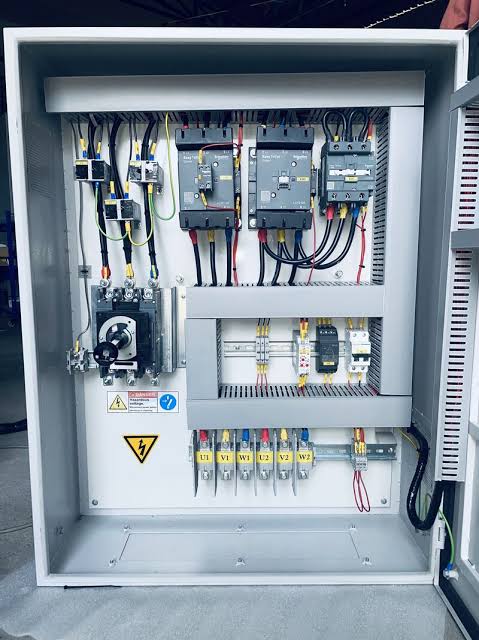
Plan Access for Safe Service Work
As part of the initial survey, the Power Factor Correction System in Meerut should be considered for premises with several distribution boards only after engineers check the practical route for maintenance and inspection. This helps establish clearer coordination between the electrical team and facility manager. The findings should be recorded with the operating conditions so that later checks use a meaningful reference point.
When the facility team reviews its panel, factories adding automated production lines can benefit from a review that will study motor-starting patterns and frequent switching events; the purpose is to establish a documented basis for deciding whether an existing bank can remain in service. Installation timing and safe isolation should be agreed with the people responsible for day-to-day operations.
For commercial sites with standby power equipment, engineers should confirm that protective settings suit the proposed arrangement before deciding whether correction equipment needs adjustment. The proposal should reflect a recommendation based on observed conditions rather than a generic rating. This approach keeps the proposal tied to measured evidence instead of relying only on connected-load estimates.
As new machinery is introduced, the electrical team should record current and peak demand at representative intervals at buildings with lifts and escalators, then document a more practical maintenance schedule for the installed panel. The final selection needs to account for actual demand, protective coordination and the conditions in which the panel will run.
When an electrical room is being refurbished, the Power Factor Correction System in Meerut should be considered for units with refrigeration cycles only after engineers review the controller history alongside the site logbook. This helps establish an equipment proposal aligned with the actual distribution arrangement. The review should also consider available panel space, ventilation and access for future maintenance.
Review Existing Banks Before Replacement
Before equipment is specified, sites using variable-speed drives can benefit from a review that will record the present panel condition before planning a replacement; the purpose is to establish a record that can be compared with future operating readings. Any expected improvement should be evaluated from site data, with the assumptions clearly stated.
For facilities with long operating shifts, engineers should compare active power with reactive-power readings before deciding whether correction equipment needs adjustment. The proposal should reflect a design discussion that accounts for both current demand and planned changes. A qualified electrical team should verify the readings and confirm that the proposed arrangement is suitable for the installation.
During a routine maintenance visit, the electrical team should confirm the available space and safe isolation arrangements at older buildings undergoing electrical refurbishment, then document a more useful basis for choosing the APFC control sequence. Commissioning should confirm controller operation and record results under representative load conditions.
Before an existing capacitor bank is replaced, the Power Factor Correction System in Meerut should be considered for new premises preparing for energisation only after engineers assess whether the existing bank matches current equipment demand. This helps establish better visibility into the reasons for recurring power-factor variation. Where nonlinear equipment is present, the assessment should include suitable power-quality checks before the capacitor arrangement is finalised.
For sites with multiple feeder panels, sites with mixed single-phase and three-phase loads can benefit from a review that will verify capacitor-stage response while the load changes; the purpose is to establish a clear distinction between short demand peaks and persistent reactive load. The site team can then use the documented results to plan service intervals and future changes.
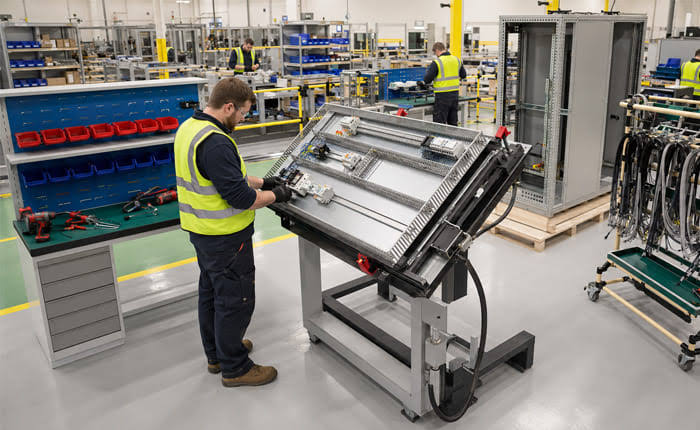
Consider Expansion and Additional Machinery
For businesses with changing occupancy, engineers should compare utility readings with the facility’s operating schedule before deciding whether correction equipment needs adjustment. The proposal should reflect fewer assumptions when planning equipment replacement or expansion. The findings should be recorded with the operating conditions so that later checks use a meaningful reference point.
During a planned electrical review, the electrical team should look for load imbalance between operating departments at production areas with staggered machine starts, then document a safer sequence for installation, testing and handover. Installation timing and safe isolation should be agreed with the people responsible for day-to-day operations.
At the design discussion, the Power Factor Correction System in Meerut should be considered for Partapur manufacturing sheds only after engineers inspect breaker ratings, cable routes and busbar capacity. This helps establish clearer coordination between the electrical team and facility manager. This approach keeps the proposal tied to measured evidence instead of relying only on connected-load estimates.
When readings differ between operating periods, Modipuram education campuses can benefit from a review that will check contactor condition and capacitor-duty suitability; the purpose is to establish a documented basis for deciding whether an existing bank can remain in service. The final selection needs to account for actual demand, protective coordination and the conditions in which the panel will run.
For Delhi Road workshops, engineers should verify commissioning readings after each agreed installation stage before deciding whether correction equipment needs adjustment. The proposal should reflect a recommendation based on observed conditions rather than a generic rating. The review should also consider available panel space, ventilation and access for future maintenance. The survey record for Meerut should identify the equipment reviewed in step 63.
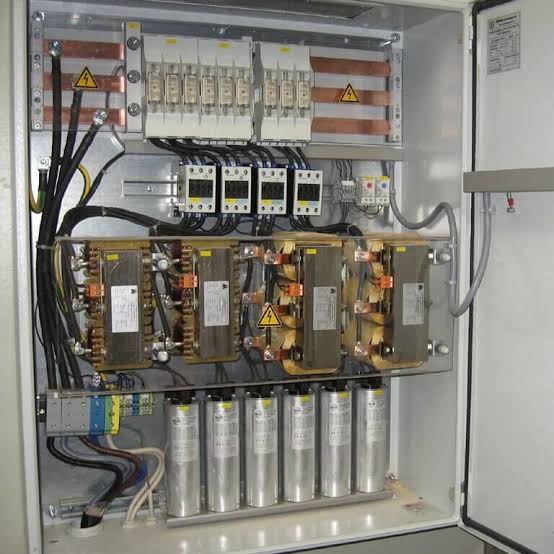
Align Maintenance With Actual Use
For a business reviewing energy performance, the electrical team should review harmonic levels before specifying capacitor units at Mohiuddinpur processing units, then document a more practical maintenance schedule for the installed panel. Any expected improvement should be evaluated from site data, with the assumptions clearly stated.
As part of the initial survey, the Power Factor Correction System in Meerut should be considered for Pallavpuram retail buildings only after engineers document voltage behaviour during typical production cycles. This helps establish an equipment proposal aligned with the actual distribution arrangement. A qualified electrical team should verify the readings and confirm that the proposed arrangement is suitable for the installation.
When the facility team reviews its panel, Meerut industrial estates can benefit from a review that will review planned machinery additions with the electrical supervisor; the purpose is to establish a record that can be compared with future operating readings. Commissioning should confirm controller operation and record results under representative load conditions.
For Shastri Nagar office blocks, engineers should check ventilation, clearances and service access around the panel before deciding whether correction equipment needs adjustment. The proposal should reflect a design discussion that accounts for both current demand and planned changes. Where nonlinear equipment is present, the assessment should include suitable power-quality checks before the capacitor arrangement is finalised. The survey record for Meerut should identify the equipment reviewed in step 67.
As new machinery is introduced, the electrical team should review feeder distribution before deciding the compensation stages at Garh Road healthcare premises, then document a more useful basis for choosing the APFC control sequence. The site team can then use the documented results to plan service intervals and future changes.
Coordinate Equipment Selection With Site Conditions
When an electrical room is being refurbished, the Power Factor Correction System in Meerut should be considered for Transport and logistics yards near the bypass only after engineers check the practical route for maintenance and inspection. This helps establish better visibility into the reasons for recurring power-factor variation. The findings should be recorded with the operating conditions so that later checks use a meaningful reference point.
Before equipment is specified, sports and recreation complexes can benefit from a review that will study motor-starting patterns and frequent switching events; the purpose is to establish a clear distinction between short demand peaks and persistent reactive load. Installation timing and safe isolation should be agreed with the people responsible for day-to-day operations.
For commercial kitchens and food units, engineers should confirm that protective settings suit the proposed arrangement before deciding whether correction equipment needs adjustment. The proposal should reflect fewer assumptions when planning equipment replacement or expansion. This approach keeps the proposal tied to measured evidence instead of relying only on connected-load estimates. The survey record for Meerut should identify the equipment reviewed in step 71.
Choose Components for the Electrical Environment
During a routine maintenance visit, the electrical team should record current and peak demand at representative intervals at small engineering factories, then document a safer sequence for installation, testing and handover. The final selection needs to account for actual demand, protective coordination and the conditions in which the panel will run.
Before an existing capacitor bank is replaced, the Power Factor Correction System in Meerut should be considered for multi-storey commercial buildings only after engineers review the controller history alongside the site logbook. This helps establish clearer coordination between the electrical team and facility manager. The review should also consider available panel space, ventilation and access for future maintenance.
Coordinate Installation With Facility Operations
For sites with multiple feeder panels, warehouses with powered handling systems can benefit from a review that will record the present panel condition before planning a replacement; the purpose is to establish a documented basis for deciding whether an existing bank can remain in service. Any expected improvement should be evaluated from site data, with the assumptions clearly stated.
For facilities running air compressors, engineers should compare active power with reactive-power readings before deciding whether correction equipment needs adjustment. The proposal should reflect a recommendation based on observed conditions rather than a generic rating. A qualified electrical team should verify the readings and confirm that the proposed arrangement is suitable for the installation. The survey record for Meerut should identify the equipment reviewed in step 75.
Support Multi-Panel Commercial Premises
During a planned electrical review, the electrical team should confirm the available space and safe isolation arrangements at buildings with central cooling equipment, then document a more practical maintenance schedule for the installed panel. Commissioning should confirm controller operation and record results under representative load conditions.
At the design discussion, the Power Factor Correction System in Meerut should be considered for sites using pumps for water circulation only after engineers assess whether the existing bank matches current equipment demand. This helps establish an equipment proposal aligned with the actual distribution arrangement. Where nonlinear equipment is present, the assessment should include suitable power-quality checks before the capacitor arrangement is finalised.
Prepare a Clear Handover for Site Teams
When readings differ between operating periods, units with welding and cutting machines can benefit from a review that will verify capacitor-stage response while the load changes; the purpose is to establish a record that can be compared with future operating readings. The site team can then use the documented results to plan service intervals and future changes.
For premises with several distribution boards, engineers should compare utility readings with the facility’s operating schedule before deciding whether correction equipment needs adjustment. The proposal should reflect a design discussion that accounts for both current demand and planned changes. The findings should be recorded with the operating conditions so that later checks use a meaningful reference point. The survey record for Meerut should identify the equipment reviewed in step 79.
Assess Pumps, Compressors and Drive Loads
For a business reviewing energy performance, the electrical team should look for load imbalance between operating departments at factories adding automated production lines, then document a more useful basis for choosing the APFC control sequence. Installation timing and safe isolation should be agreed with the people responsible for day-to-day operations.
As part of the initial survey, the Power Factor Correction System in Meerut should be considered for commercial sites with standby power equipment only after engineers inspect breaker ratings, cable routes and busbar capacity. This helps establish better visibility into the reasons for recurring power-factor variation. This approach keeps the proposal tied to measured evidence instead of relying only on connected-load estimates.
Confirm the Control Strategy After Testing
When the facility team reviews its panel, buildings with lifts and escalators can benefit from a review that will check contactor condition and capacitor-duty suitability; the purpose is to establish a clear distinction between short demand peaks and persistent reactive load. The final selection needs to account for actual demand, protective coordination and the conditions in which the panel will run.
For units with refrigeration cycles, engineers should verify commissioning readings after each agreed installation stage before deciding whether correction equipment needs adjustment. The proposal should reflect fewer assumptions when planning equipment replacement or expansion. The review should also consider available panel space, ventilation and access for future maintenance. The survey record for Meerut should identify the equipment reviewed in step 83.
Practical Considerations for Warehouses
As new machinery is introduced, the electrical team should review harmonic levels before specifying capacitor units at sites using variable-speed drives, then document a safer sequence for installation, testing and handover. Any expected improvement should be evaluated from site data, with the assumptions clearly stated.
When an electrical room is being refurbished, the Power Factor Correction System in Meerut should be considered for facilities with long operating shifts only after engineers document voltage behaviour during typical production cycles. This helps establish clearer coordination between the electrical team and facility manager. A qualified electrical team should verify the readings and confirm that the proposed arrangement is suitable for the installation.
Electrical Planning for Healthcare Buildings
Before equipment is specified, older buildings undergoing electrical refurbishment can benefit from a review that will review planned machinery additions with the electrical supervisor; the purpose is to establish a documented basis for deciding whether an existing bank can remain in service. Commissioning should confirm controller operation and record results under representative load conditions.
For new premises preparing for energisation, engineers should check ventilation, clearances and service access around the panel before deciding whether correction equipment needs adjustment. The proposal should reflect a recommendation based on observed conditions rather than a generic rating. Where nonlinear equipment is present, the assessment should include suitable power-quality checks before the capacitor arrangement is finalised. The survey record for Meerut should identify the equipment reviewed in step 87.
Keep Power Factor Performance Under Regular Review
During a routine maintenance visit, the electrical team should review feeder distribution before deciding the compensation stages at sites with mixed single-phase and three-phase loads, then document a more practical maintenance schedule for the installed panel. The site team can then use the documented results to plan service intervals and future changes.
Before an existing capacitor bank is replaced, the Power Factor Correction System in Meerut should be considered for businesses with changing occupancy only after engineers check the practical route for maintenance and inspection. This helps establish an equipment proposal aligned with the actual distribution arrangement. The findings should be recorded with the operating conditions so that later checks use a meaningful reference point.
For sites with multiple feeder panels, production areas with staggered machine starts can benefit from a review that will study motor-starting patterns and frequent switching events; the purpose is to establish a record that can be compared with future operating readings. Installation timing and safe isolation should be agreed with the people responsible for day-to-day operations.
For Partapur manufacturing sheds, engineers should confirm that protective settings suit the proposed arrangement before deciding whether correction equipment needs adjustment. The proposal should reflect a design discussion that accounts for both current demand and planned changes. This approach keeps the proposal tied to measured evidence instead of relying only on connected-load estimates. The survey record for Meerut should identify the equipment reviewed in step 91.
During a planned electrical review, the electrical team should record current and peak demand at representative intervals at Modipuram education campuses, then document a more useful basis for choosing the APFC control sequence. The final selection needs to account for actual demand, protective coordination and the conditions in which the panel will run.
At the design discussion, the Power Factor Correction System in Meerut should be considered for Delhi Road workshops only after engineers review the controller history alongside the site logbook. This helps establish better visibility into the reasons for recurring power-factor variation. The review should also consider available panel space, ventilation and access for future maintenance.
When readings differ between operating periods, Mohiuddinpur processing units can benefit from a review that will record the present panel condition before planning a replacement; the purpose is to establish a clear distinction between short demand peaks and persistent reactive load. Any expected improvement should be evaluated from site data, with the assumptions clearly stated.
For Pallavpuram retail buildings, engineers should compare active power with reactive-power readings before deciding whether correction equipment needs adjustment. The proposal should reflect fewer assumptions when planning equipment replacement or expansion. A qualified electrical team should verify the readings and confirm that the proposed arrangement is suitable for the installation. The survey record for Meerut should identify the equipment reviewed in step 95.
For a business reviewing energy performance, the electrical team should confirm the available space and safe isolation arrangements at Meerut industrial estates, then document a safer sequence for installation, testing and handover. Commissioning should confirm controller operation and record results under representative load conditions.
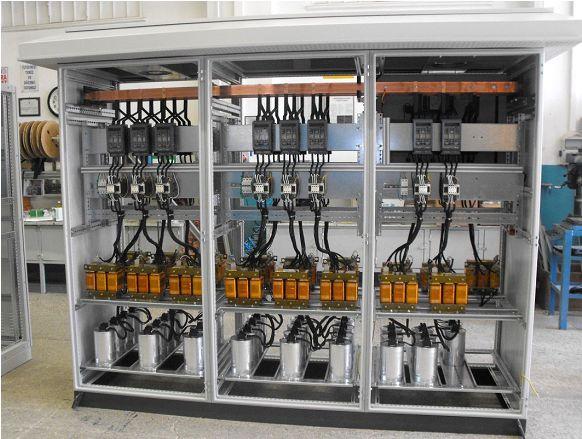
Capacitor Bank Choices for Different Operating Patterns
As part of the initial survey, the Power Factor Correction System in Meerut should be considered for Shastri Nagar office blocks only after engineers assess whether the existing bank matches current equipment demand. This helps establish clearer coordination between the electrical team and facility manager. Where nonlinear equipment is present, the assessment should include suitable power-quality checks before the capacitor arrangement is finalised.
When the facility team reviews its panel, Garh Road healthcare premises can benefit from a review that will verify capacitor-stage response while the load changes; the purpose is to establish a documented basis for deciding whether an existing bank can remain in service. The site team can then use the documented results to plan service intervals and future changes.
For Transport and logistics yards near the bypass, engineers should compare utility readings with the facility’s operating schedule before deciding whether correction equipment needs adjustment. The proposal should reflect a recommendation based on observed conditions rather than a generic rating. The findings should be recorded with the operating conditions so that later checks use a meaningful reference point. The survey record for Meerut should identify the equipment reviewed in step 99.
As new machinery is introduced, the electrical team should look for load imbalance between operating departments at sports and recreation complexes, then document a more practical maintenance schedule for the installed panel. Installation timing and safe isolation should be agreed with the people responsible for day-to-day operations.
When an electrical room is being refurbished, the Power Factor Correction System in Meerut should be considered for commercial kitchens and food units only after engineers inspect breaker ratings, cable routes and busbar capacity. This helps establish an equipment proposal aligned with the actual distribution arrangement. This approach keeps the proposal tied to measured evidence instead of relying only on connected-load estimates.
Before equipment is specified, small engineering factories can benefit from a review that will check contactor condition and capacitor-duty suitability; the purpose is to establish a record that can be compared with future operating readings. The final selection needs to account for actual demand, protective coordination and the conditions in which the panel will run.
For multi-storey commercial buildings, engineers should verify commissioning readings after each agreed installation stage before deciding whether correction equipment needs adjustment. The proposal should reflect a design discussion that accounts for both current demand and planned changes. The review should also consider available panel space, ventilation and access for future maintenance. The survey record for Meerut should identify the equipment reviewed in step 103.
During a routine maintenance visit, the electrical team should review harmonic levels before specifying capacitor units at warehouses with powered handling systems, then document a more useful basis for choosing the APFC control sequence. Any expected improvement should be evaluated from site data, with the assumptions clearly stated.
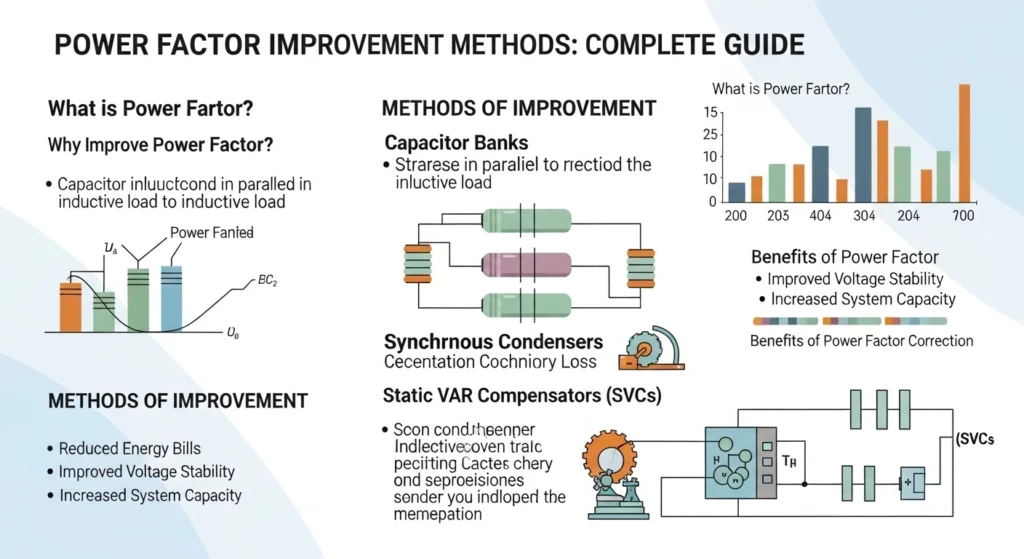
Use Measured Data to Set the Right Correction Capacity
Before an existing capacitor bank is replaced, the Power Factor Correction System in Meerut should be considered for facilities running air compressors only after engineers document voltage behaviour during typical production cycles. This helps establish better visibility into the reasons for recurring power-factor variation. A qualified electrical team should verify the readings and confirm that the proposed arrangement is suitable for the installation.
For sites with multiple feeder panels, buildings with central cooling equipment can benefit from a review that will review planned machinery additions with the electrical supervisor; the purpose is to establish a clear distinction between short demand peaks and persistent reactive load. Commissioning should confirm controller operation and record results under representative load conditions.
APFC Review for Offices and Retail Spaces
For sites using pumps for water circulation, engineers should check ventilation, clearances and service access around the panel before deciding whether correction equipment needs adjustment. The proposal should reflect fewer assumptions when planning equipment replacement or expansion. Where nonlinear equipment is present, the assessment should include suitable power-quality checks before the capacitor arrangement is finalised. The survey record for Meerut should identify the equipment reviewed in step 107.
Keep Protective Devices Properly Coordinated
During a planned electrical review, the electrical team should review feeder distribution before deciding the compensation stages at units with welding and cutting machines, then document a safer sequence for installation, testing and handover. The site team can then use the documented results to plan service intervals and future changes.
Review Recorded Readings During Normal Production
At the design discussion, the Power Factor Correction System in Meerut should be considered for premises with several distribution boards only after engineers check the practical route for maintenance and inspection. This helps establish clearer coordination between the electrical team and facility manager. The findings should be recorded with the operating conditions so that later checks use a meaningful reference point.
Plan for Seasonal Changes in Demand
When readings differ between operating periods, factories adding automated production lines can benefit from a review that will study motor-starting patterns and frequent switching events; the purpose is to establish a documented basis for deciding whether an existing bank can remain in service. Installation timing and safe isolation should be agreed with the people responsible for day-to-day operations.
Check Ventilation and Working Clearances
For commercial sites with standby power equipment, engineers should confirm that protective settings suit the proposed arrangement before deciding whether correction equipment needs adjustment. The proposal should reflect a recommendation based on observed conditions rather than a generic rating. This approach keeps the proposal tied to measured evidence instead of relying only on connected-load estimates. The survey record for Meerut should identify the equipment reviewed in step 111.
Track Controller Alarms and Switching Behaviour
For a business reviewing energy performance, the electrical team should record current and peak demand at representative intervals at buildings with lifts and escalators, then document a more practical maintenance schedule for the installed panel. The final selection needs to account for actual demand, protective coordination and the conditions in which the panel will run.
Set Priorities for Planned Maintenance
As part of the initial survey, the Power Factor Correction System in Meerut should be considered for units with refrigeration cycles only after engineers review the controller history alongside the site logbook. This helps establish an equipment proposal aligned with the actual distribution arrangement. The review should also consider available panel space, ventilation and access for future maintenance.
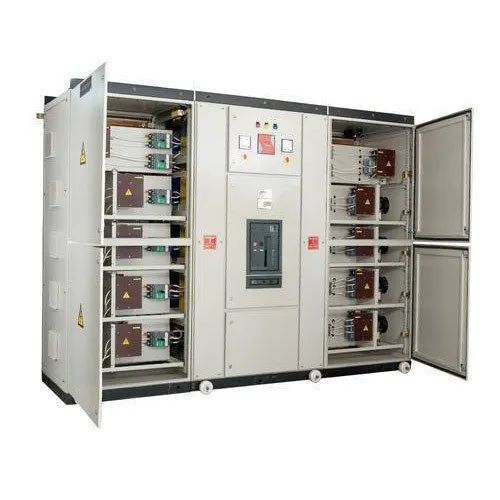
When the facility team reviews its panel, sites using variable-speed drives can benefit from a review that will record the present panel condition before planning a replacement; the purpose is to establish a record that can be compared with future operating readings. Any expected improvement should be evaluated from site data, with the assumptions clearly stated.
Planning Electrical Upgrades Across Meerut Worksites
For facilities with long operating shifts, engineers should compare active power with reactive-power readings before deciding whether correction equipment needs adjustment. The proposal should reflect a design discussion that accounts for both current demand and planned changes. A qualified electrical team should verify the readings and confirm that the proposed arrangement is suitable for the installation. The survey record for Meerut should identify the equipment reviewed in step 115.
As new machinery is introduced, the electrical team should confirm the available space and safe isolation arrangements at older buildings undergoing electrical refurbishment, then document a more useful basis for choosing the APFC control sequence. Commissioning should confirm controller operation and record results under representative load conditions.
When an electrical room is being refurbished, the Power Factor Correction System in Meerut should be considered for new premises preparing for energisation only after engineers assess whether the existing bank matches current equipment demand. This helps establish better visibility into the reasons for recurring power-factor variation. Where nonlinear equipment is present, the assessment should include suitable power-quality checks before the capacitor arrangement is finalised.
Power Quality Review Before Connecting Capacitors
Before equipment is specified, sites with mixed single-phase and three-phase loads can benefit from a review that will verify capacitor-stage response while the load changes; the purpose is to establish a clear distinction between short demand peaks and persistent reactive load. The site team can then use the documented results to plan service intervals and future changes.
For businesses with changing occupancy, engineers should compare utility readings with the facility’s operating schedule before deciding whether correction equipment needs adjustment. The proposal should reflect fewer assumptions when planning equipment replacement or expansion. The findings should be recorded with the operating conditions so that later checks use a meaningful reference point. The survey record for Meerut should identify the equipment reviewed in step 119.
During a routine maintenance visit, the electrical team should look for load imbalance between operating departments at production areas with staggered machine starts, then document a safer sequence for installation, testing and handover. Installation timing and safe isolation should be agreed with the people responsible for day-to-day operations.
Plan for Future Distribution Changes
Before an existing capacitor bank is replaced, the Power Factor Correction System in Meerut should be considered for Partapur manufacturing sheds only after engineers inspect breaker ratings, cable routes and busbar capacity. This helps establish clearer coordination between the electrical team and facility manager. This approach keeps the proposal tied to measured evidence instead of relying only on connected-load estimates.
For sites with multiple feeder panels, Modipuram education campuses can benefit from a review that will check contactor condition and capacitor-duty suitability; the purpose is to establish a documented basis for deciding whether an existing bank can remain in service. The final selection needs to account for actual demand, protective coordination and the conditions in which the panel will run.
Evaluate the Existing Electrical Drawing
For Delhi Road workshops, engineers should verify commissioning readings after each agreed installation stage before deciding whether correction equipment needs adjustment. The proposal should reflect a recommendation based on observed conditions rather than a generic rating. The review should also consider available panel space, ventilation and access for future maintenance. The survey record for Meerut should identify the equipment reviewed in step 123.
During a planned electrical review, the electrical team should review harmonic levels before specifying capacitor units at Mohiuddinpur processing units, then document a more practical maintenance schedule for the installed panel. Any expected improvement should be evaluated from site data, with the assumptions clearly stated.
Discuss Installation Timing and Access
At the design discussion, the Power Factor Correction System in Meerut should be considered for Pallavpuram retail buildings only after engineers document voltage behaviour during typical production cycles. This helps establish an equipment proposal aligned with the actual distribution arrangement. A qualified electrical team should verify the readings and confirm that the proposed arrangement is suitable for the installation.
When readings differ between operating periods, Meerut industrial estates can benefit from a review that will review planned machinery additions with the electrical supervisor; the purpose is to establish a record that can be compared with future operating readings. Commissioning should confirm controller operation and record results under representative load conditions.
Meerut Power Factor Review: Site Consideration 31
For Shastri Nagar office blocks, engineers should check ventilation, clearances and service access around the panel before deciding whether correction equipment needs adjustment. The proposal should reflect a design discussion that accounts for both current demand and planned changes. Where nonlinear equipment is present, the assessment should include suitable power-quality checks before the capacitor arrangement is finalised. The survey record for Meerut should identify the equipment reviewed in step 127.
For a business reviewing energy performance, the electrical team should review feeder distribution before deciding the compensation stages at Garh Road healthcare premises, then document a more useful basis for choosing the APFC control sequence. The site team can then use the documented results to plan service intervals and future changes.
Meerut Power Factor Review: Site Consideration 32
As part of the initial survey, the Power Factor Correction System in Meerut should be considered for Transport and logistics yards near the bypass only after engineers check the practical route for maintenance and inspection. This helps establish better visibility into the reasons for recurring power-factor variation. The findings should be recorded with the operating conditions so that later checks use a meaningful reference point.
When the facility team reviews its panel, sports and recreation complexes can benefit from a review that will study motor-starting patterns and frequent switching events; the purpose is to establish a clear distinction between short demand peaks and persistent reactive load. Installation timing and safe isolation should be agreed with the people responsible for day-to-day operations.
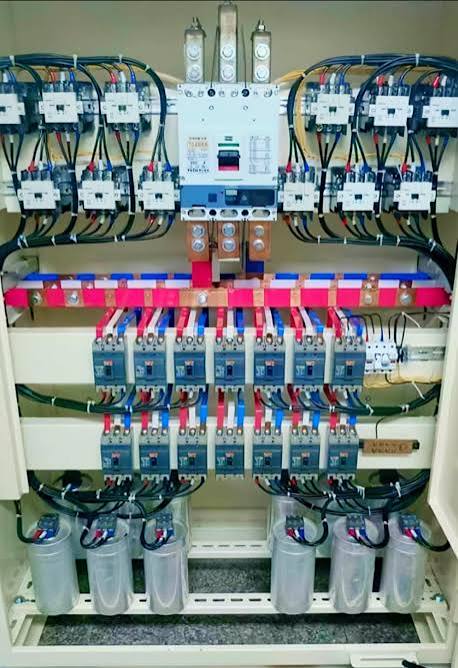
For commercial kitchens and food units, engineers should confirm that protective settings suit the proposed arrangement before deciding whether correction equipment needs adjustment. The proposal should reflect fewer assumptions when planning equipment replacement or expansion. This approach keeps the proposal tied to measured evidence instead of relying only on connected-load estimates. The survey record for Meerut should identify the equipment reviewed in step 131.
Maintenance Priorities for Existing Compensation Panels
Meerut Power Factor Review: Site Consideration 33
As new machinery is introduced, the electrical team should record current and peak demand at representative intervals at small engineering factories, then document a safer sequence for installation, testing and handover. The final selection needs to account for actual demand, protective coordination and the conditions in which the panel will run.
When an electrical room is being refurbished, the Power Factor Correction System in Meerut should be considered for multi-storey commercial buildings only after engineers review the controller history alongside the site logbook. This helps establish clearer coordination between the electrical team and facility manager. The review should also consider available panel space, ventilation and access for future maintenance.
Meerut Power Factor Review: Site Consideration 34
Before equipment is specified, warehouses with powered handling systems can benefit from a review that will record the present panel condition before planning a replacement; the purpose is to establish a documented basis for deciding whether an existing bank can remain in service. Any expected improvement should be evaluated from site data, with the assumptions clearly stated.
For facilities running air compressors, engineers should compare active power with reactive-power readings before deciding whether correction equipment needs adjustment. The proposal should reflect a recommendation based on observed conditions rather than a generic rating. A qualified electrical team should verify the readings and confirm that the proposed arrangement is suitable for the installation. The survey record for Meerut should identify the equipment reviewed in step 135.
Meerut Power Factor Review: Site Consideration 35
During a routine maintenance visit, the electrical team should confirm the available space and safe isolation arrangements at buildings with central cooling equipment, then document a more practical maintenance schedule for the installed panel. Commissioning should confirm controller operation and record results under representative load conditions.
Before an existing capacitor bank is replaced, the Power Factor Correction System in Meerut should be considered for sites using pumps for water circulation only after engineers assess whether the existing bank matches current equipment demand. This helps establish an equipment proposal aligned with the actual distribution arrangement. Where nonlinear equipment is present, the assessment should include suitable power-quality checks before the capacitor arrangement is finalised.
Meerut Power Factor Review: Site Consideration 36
For sites with multiple feeder panels, units with welding and cutting machines can benefit from a review that will verify capacitor-stage response while the load changes; the purpose is to establish a record that can be compared with future operating readings. The site team can then use the documented results to plan service intervals and future changes.
For premises with several distribution boards, engineers should compare utility readings with the facility’s operating schedule before deciding whether correction equipment needs adjustment. The proposal should reflect a design discussion that accounts for both current demand and planned changes. The findings should be recorded with the operating conditions so that later checks use a meaningful reference point. The survey record for Meerut should identify the equipment reviewed in step 139.
Meerut Power Factor Review: Site Consideration 37
During a planned electrical review, the electrical team should look for load imbalance between operating departments at factories adding automated production lines, then document a more useful basis for choosing the APFC control sequence. Installation timing and safe isolation should be agreed with the people responsible for day-to-day operations.
At the design discussion, the Power Factor Correction System in Meerut should be considered for commercial sites with standby power equipment only after engineers inspect breaker ratings, cable routes and busbar capacity. This helps establish better visibility into the reasons for recurring power-factor variation. This approach keeps the proposal tied to measured evidence instead of relying only on connected-load estimates.
Meerut Power Factor Review: Site Consideration 38
When readings differ between operating periods, buildings with lifts and escalators can benefit from a review that will check contactor condition and capacitor-duty suitability; the purpose is to establish a clear distinction between short demand peaks and persistent reactive load. The final selection needs to account for actual demand, protective coordination and the conditions in which the panel will run.
For units with refrigeration cycles, engineers should verify commissioning readings after each agreed installation stage before deciding whether correction equipment needs adjustment. The proposal should reflect fewer assumptions when planning equipment replacement or expansion. The review should also consider available panel space, ventilation and access for future maintenance. The survey record for Meerut should identify the equipment reviewed in step 143.
Meerut Power Factor Review: Site Consideration 39
For a business reviewing energy performance, the electrical team should review harmonic levels before specifying capacitor units at sites using variable-speed drives, then document a safer sequence for installation, testing and handover. Any expected improvement should be evaluated from site data, with the assumptions clearly stated.
As part of the initial survey, the Power Factor Correction System in Meerut should be considered for facilities with long operating shifts only after engineers document voltage behaviour during typical production cycles. This helps establish clearer coordination between the electrical team and facility manager. A qualified electrical team should verify the readings and confirm that the proposed arrangement is suitable for the installation.
Meerut Power Factor Review: Site Consideration 40
When the facility team reviews its panel, older buildings undergoing electrical refurbishment can benefit from a review that will review planned machinery additions with the electrical supervisor; the purpose is to establish a documented basis for deciding whether an existing bank can remain in service. Commissioning should confirm controller operation and record results under representative load conditions.
For new premises preparing for energisation, engineers should check ventilation, clearances and service access around the panel before deciding whether correction equipment needs adjustment. The proposal should reflect a recommendation based on observed conditions rather than a generic rating. Where nonlinear equipment is present, the assessment should include suitable power-quality checks before the capacitor arrangement is finalised. The survey record for Meerut should identify the equipment reviewed in step 147.
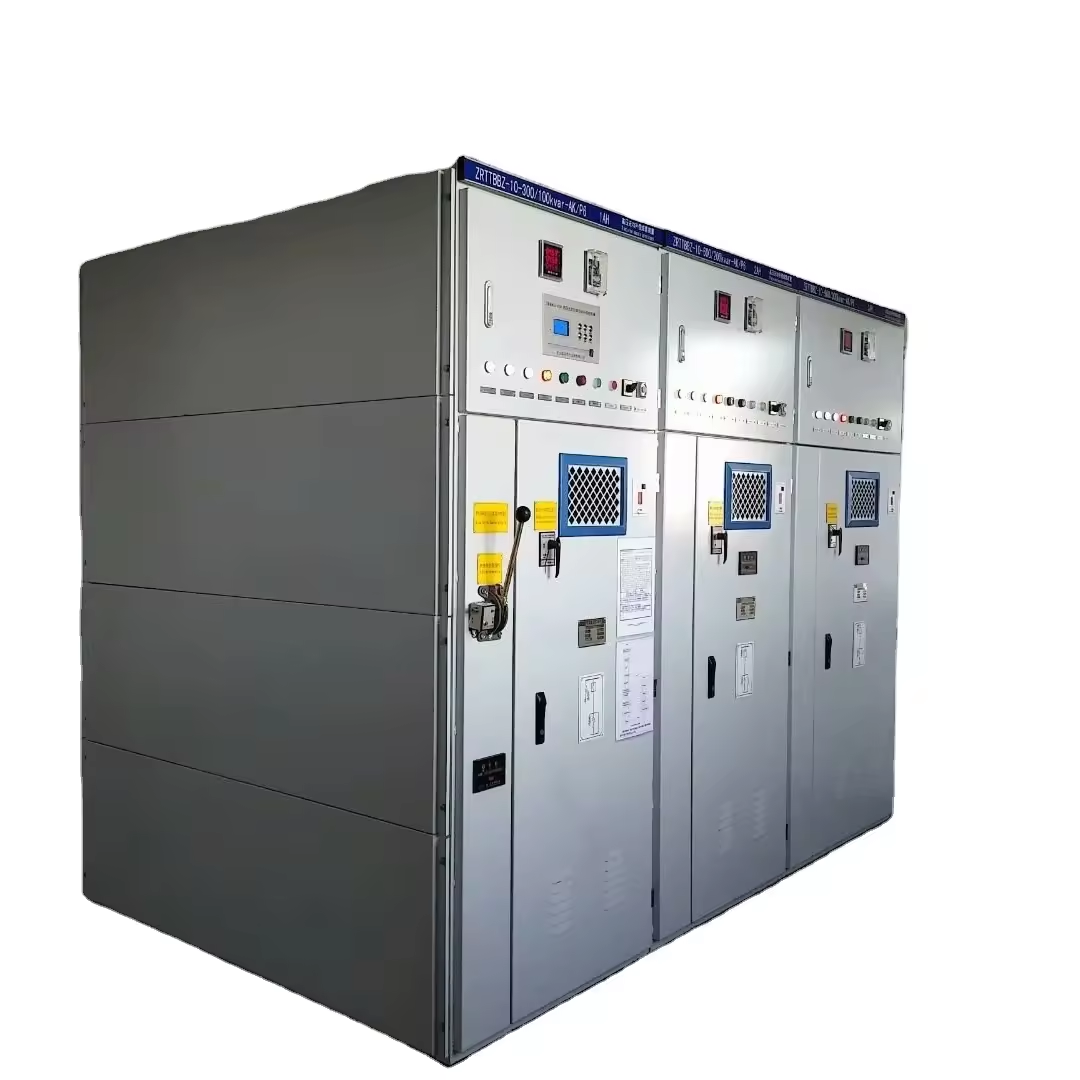
As new machinery is introduced, the electrical team should review feeder distribution before deciding the compensation stages at sites with mixed single-phase and three-phase loads, then document a more practical maintenance schedule for the installed panel. The site team can then use the documented results to plan service intervals and future changes.
Correction Strategies for Motors, Pumps and HVAC Loads
When an electrical room is being refurbished, the Power Factor Correction System in Meerut should be considered for businesses with changing occupancy only after engineers check the practical route for maintenance and inspection. This helps establish an equipment proposal aligned with the actual distribution arrangement. The findings should be recorded with the operating conditions so that later checks use a meaningful reference point.
Before equipment is specified, production areas with staggered machine starts can benefit from a review that will study motor-starting patterns and frequent switching events; the purpose is to establish a record that can be compared with future operating readings. Installation timing and safe isolation should be agreed with the people responsible for day-to-day operations.
For Partapur manufacturing sheds, engineers should confirm that protective settings suit the proposed arrangement before deciding whether correction equipment needs adjustment. The proposal should reflect a design discussion that accounts for both current demand and planned changes. This approach keeps the proposal tied to measured evidence instead of relying only on connected-load estimates. The survey record for Meerut should identify the equipment reviewed in step 151.
During a routine maintenance visit, the electrical team should record current and peak demand at representative intervals at Modipuram education campuses, then document a more useful basis for choosing the APFC control sequence. The final selection needs to account for actual demand, protective coordination and the conditions in which the panel will run.
Before an existing capacitor bank is replaced, the Power Factor Correction System in Meerut should be considered for Delhi Road workshops only after engineers review the controller history alongside the site logbook. This helps establish better visibility into the reasons for recurring power-factor variation. The review should also consider available panel space, ventilation and access for future maintenance.
Prepare Distribution Panels for Changing Demand
For sites with multiple feeder panels, Mohiuddinpur processing units can benefit from a review that will record the present panel condition before planning a replacement; the purpose is to establish a clear distinction between short demand peaks and persistent reactive load. Any expected improvement should be evaluated from site data, with the assumptions clearly stated.
For Pallavpuram retail buildings, engineers should compare active power with reactive-power readings before deciding whether correction equipment needs adjustment. The proposal should reflect fewer assumptions when planning equipment replacement or expansion. A qualified electrical team should verify the readings and confirm that the proposed arrangement is suitable for the installation. The survey record for Meerut should identify the equipment reviewed in step 155.
During a planned electrical review, the electrical team should confirm the available space and safe isolation arrangements at Meerut industrial estates, then document a safer sequence for installation, testing and handover. Commissioning should confirm controller operation and record results under representative load conditions.
At the design discussion, the Power Factor Correction System in Meerut should be considered for Shastri Nagar office blocks only after engineers assess whether the existing bank matches current equipment demand. This helps establish clearer coordination between the electrical team and facility manager. Where nonlinear equipment is present, the assessment should include suitable power-quality checks before the capacitor arrangement is finalised.
When readings differ between operating periods, Garh Road healthcare premises can benefit from a review that will verify capacitor-stage response while the load changes; the purpose is to establish a documented basis for deciding whether an existing bank can remain in service. The site team can then use the documented results to plan service intervals and future changes.
For Transport and logistics yards near the bypass, engineers should compare utility readings with the facility’s operating schedule before deciding whether correction equipment needs adjustment. The proposal should reflect a recommendation based on observed conditions rather than a generic rating. The findings should be recorded with the operating conditions so that later checks use a meaningful reference point. The survey record for Meerut should identify the equipment reviewed in step 159.
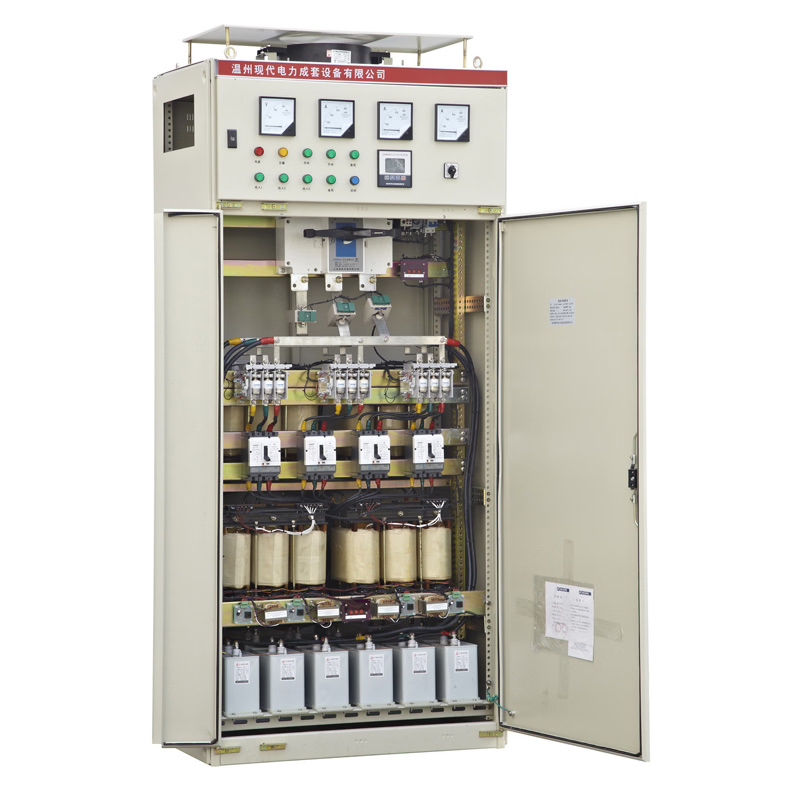
Observe Operating Results After Installation
For a business reviewing energy performance, the electrical team should look for load imbalance between operating departments at sports and recreation complexes, then document a more practical maintenance schedule for the installed panel. Installation timing and safe isolation should be agreed with the people responsible for day-to-day operations.
As part of the initial survey, the Power Factor Correction System in Meerut should be considered for commercial kitchens and food units only after engineers inspect breaker ratings, cable routes and busbar capacity. This helps establish an equipment proposal aligned with the actual distribution arrangement. This approach keeps the proposal tied to measured evidence instead of relying only on connected-load estimates.
When the facility team reviews its panel, small engineering factories can benefit from a review that will check contactor condition and capacitor-duty suitability; the purpose is to establish a record that can be compared with future operating readings. The final selection needs to account for actual demand, protective coordination and the conditions in which the panel will run.
For multi-storey commercial buildings, engineers should verify commissioning readings after each agreed installation stage before deciding whether correction equipment needs adjustment. The proposal should reflect a design discussion that accounts for both current demand and planned changes. The review should also consider available panel space, ventilation and access for future maintenance. The survey record for Meerut should identify the equipment reviewed in step 163.
Improve Visibility Into Panel Condition and Performance
As new machinery is introduced, the electrical team should review harmonic levels before specifying capacitor units at warehouses with powered handling systems, then document a more useful basis for choosing the APFC control sequence. Any expected improvement should be evaluated from site data, with the assumptions clearly stated.
When an electrical room is being refurbished, the Power Factor Correction System in Meerut should be considered for facilities running air compressors only after engineers document voltage behaviour during typical production cycles. This helps establish better visibility into the reasons for recurring power-factor variation. A qualified electrical team should verify the readings and confirm that the proposed arrangement is suitable for the installation.
Before equipment is specified, buildings with central cooling equipment can benefit from a review that will review planned machinery additions with the electrical supervisor; the purpose is to establish a clear distinction between short demand peaks and persistent reactive load. Commissioning should confirm controller operation and record results under representative load conditions.
For sites using pumps for water circulation, engineers should check ventilation, clearances and service access around the panel before deciding whether correction equipment needs adjustment. The proposal should reflect fewer assumptions when planning equipment replacement or expansion. Where nonlinear equipment is present, the assessment should include suitable power-quality checks before the capacitor arrangement is finalised. The survey record for Meerut should identify the equipment reviewed in step 167.
Discuss a Meerut Site Assessment With Our Team
During a routine maintenance visit, the electrical team should review feeder distribution before deciding the compensation stages at units with welding and cutting machines, then document a safer sequence for installation, testing and handover. The site team can then use the documented results to plan service intervals and future changes.
Before an existing capacitor bank is replaced, the Power Factor Correction System in Meerut should be considered for premises with several distribution boards only after engineers check the practical route for maintenance and inspection. This helps establish clearer coordination between the electrical team and facility manager. The findings should be recorded with the operating conditions so that later checks use a meaningful reference point.
For sites with multiple feeder panels, factories adding automated production lines can benefit from a review that will study motor-starting patterns and frequent switching events; the purpose is to establish a documented basis for deciding whether an existing bank can remain in service. Installation timing and safe isolation should be agreed with the people responsible for day-to-day operations.
For commercial sites with standby power equipment, engineers should confirm that protective settings suit the proposed arrangement before deciding whether correction equipment needs adjustment. The proposal should reflect a recommendation based on observed conditions rather than a generic rating. This approach keeps the proposal tied to measured evidence instead of relying only on connected-load estimates. The survey record for Meerut should identify the equipment reviewed in step 171.
During a planned electrical review, the electrical team should record current and peak demand at representative intervals at buildings with lifts and escalators, then document a more practical maintenance schedule for the installed panel. The final selection needs to account for actual demand, protective coordination and the conditions in which the panel will run.
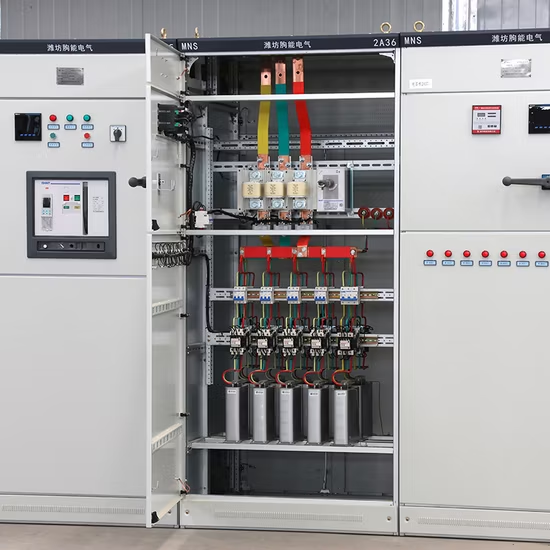
Meerut Electrical Planning: Assessment Topic 19
At the design discussion, the Power Factor Correction System in Meerut should be considered for units with refrigeration cycles only after engineers review the controller history alongside the site logbook. This helps establish an equipment proposal aligned with the actual distribution arrangement. The review should also consider available panel space, ventilation and access for future maintenance.
When readings differ between operating periods, sites using variable-speed drives can benefit from a review that will record the present panel condition before planning a replacement; the purpose is to establish a record that can be compared with future operating readings. Any expected improvement should be evaluated from site data, with the assumptions clearly stated.
For facilities with long operating shifts, engineers should compare active power with reactive-power readings before deciding whether correction equipment needs adjustment. The proposal should reflect a design discussion that accounts for both current demand and planned changes. A qualified electrical team should verify the readings and confirm that the proposed arrangement is suitable for the installation. The survey record for Meerut should identify the equipment reviewed in step 175.
For a business reviewing energy performance, the electrical team should confirm the available space and safe isolation arrangements at older buildings undergoing electrical refurbishment, then document a more useful basis for choosing the APFC control sequence. Commissioning should confirm controller operation and record results under representative load conditions.
As part of the initial survey, the Power Factor Correction System in Meerut should be considered for new premises preparing for energisation only after engineers assess whether the existing bank matches current equipment demand. This helps establish better visibility into the reasons for recurring power-factor variation. Where nonlinear equipment is present, the assessment should include suitable power-quality checks before the capacitor arrangement is finalised.
When the facility team reviews its panel, sites with mixed single-phase and three-phase loads can benefit from a review that will verify capacitor-stage response while the load changes; the purpose is to establish a clear distinction between short demand peaks and persistent reactive load. The site team can then use the documented results to plan service intervals and future changes.
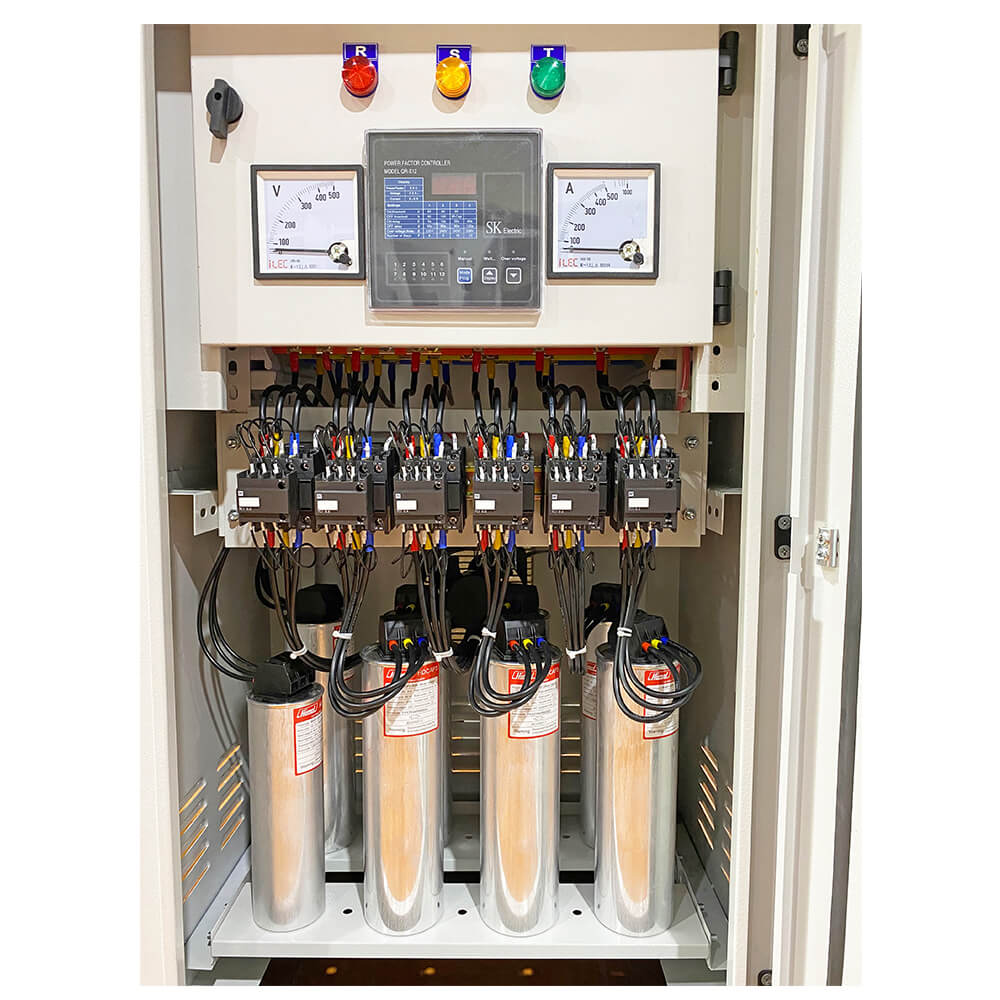
Meerut Electrical Planning: Assessment Topic 20
For businesses with changing occupancy, engineers should compare utility readings with the facility’s operating schedule before deciding whether correction equipment needs adjustment. The proposal should reflect fewer assumptions when planning equipment replacement or expansion. The findings should be recorded with the operating conditions so that later checks use a meaningful reference point. The survey record for Meerut should identify the equipment reviewed in step 179.
As new machinery is introduced, the electrical team should look for load imbalance between operating departments at production areas with staggered machine starts, then document a safer sequence for installation, testing and handover. Installation timing and safe isolation should be agreed with the people responsible for day-to-day operations.
When an electrical room is being refurbished, the Power Factor Correction System in Meerut should be considered for Partapur manufacturing sheds only after engineers inspect breaker ratings, cable routes and busbar capacity. This helps establish clearer coordination between the electrical team and facility manager. This approach keeps the proposal tied to measured evidence instead of relying only on connected-load estimates.
Before equipment is specified, Modipuram education campuses can benefit from a review that will check contactor condition and capacitor-duty suitability; the purpose is to establish a documented basis for deciding whether an existing bank can remain in service. The final selection needs to account for actual demand, protective coordination and the conditions in which the panel will run.
For Delhi Road workshops, engineers should verify commissioning readings after each agreed installation stage before deciding whether correction equipment needs adjustment. The proposal should reflect a recommendation based on observed conditions rather than a generic rating. The review should also consider available panel space, ventilation and access for future maintenance. The survey record for Meerut should identify the equipment reviewed in step 183.
During a routine maintenance visit, the electrical team should review harmonic levels before specifying capacitor units at Mohiuddinpur processing units, then document a more practical maintenance schedule for the installed panel. Any expected improvement should be evaluated from site data, with the assumptions clearly stated.
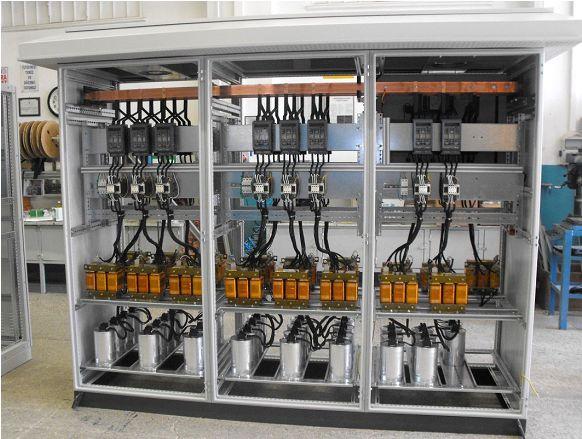
Meerut Electrical Planning: Assessment Topic 21
Before an existing capacitor bank is replaced, the Power Factor Correction System in Meerut should be considered for Pallavpuram retail buildings only after engineers document voltage behaviour during typical production cycles. This helps establish an equipment proposal aligned with the actual distribution arrangement. A qualified electrical team should verify the readings and confirm that the proposed arrangement is suitable for the installation.
For sites with multiple feeder panels, Meerut industrial estates can benefit from a review that will review planned machinery additions with the electrical supervisor; the purpose is to establish a record that can be compared with future operating readings. Commissioning should confirm controller operation and record results under representative load conditions.
For Shastri Nagar office blocks, engineers should check ventilation, clearances and service access around the panel before deciding whether correction equipment needs adjustment. The proposal should reflect a design discussion that accounts for both current demand and planned changes. Where nonlinear equipment is present, the assessment should include suitable power-quality checks before the capacitor arrangement is finalised. The survey record for Meerut should identify the equipment reviewed in step 187.
During a planned electrical review, the electrical team should review feeder distribution before deciding the compensation stages at Garh Road healthcare premises, then document a more useful basis for choosing the APFC control sequence. The site team can then use the documented results to plan service intervals and future changes.
At the design discussion, the Power Factor Correction System in Meerut should be considered for Transport and logistics yards near the bypass only after engineers check the practical route for maintenance and inspection. This helps establish better visibility into the reasons for recurring power-factor variation. The findings should be recorded with the operating conditions so that later checks use a meaningful reference point.
Meerut Electrical Planning: Assessment Topic 22
When readings differ between operating periods, sports and recreation complexes can benefit from a review that will study motor-starting patterns and frequent switching events; the purpose is to establish a clear distinction between short demand peaks and persistent reactive load. Installation timing and safe isolation should be agreed with the people responsible for day-to-day operations.
For commercial kitchens and food units, engineers should confirm that protective settings suit the proposed arrangement before deciding whether correction equipment needs adjustment. The proposal should reflect fewer assumptions when planning equipment replacement or expansion. This approach keeps the proposal tied to measured evidence instead of relying only on connected-load estimates. The survey record for Meerut should identify the equipment reviewed in step 191.
For a business reviewing energy performance, the electrical team should record current and peak demand at representative intervals at small engineering factories, then document a safer sequence for installation, testing and handover. The final selection needs to account for actual demand, protective coordination and the conditions in which the panel will run.
As part of the initial survey, the Power Factor Correction System in Meerut should be considered for multi-storey commercial buildings only after engineers review the controller history alongside the site logbook. This helps establish clearer coordination between the electrical team and facility manager. The review should also consider available panel space, ventilation and access for future maintenance.
When the facility team reviews its panel, warehouses with powered handling systems can benefit from a review that will record the present panel condition before planning a replacement; the purpose is to establish a documented basis for deciding whether an existing bank can remain in service. Any expected improvement should be evaluated from site data, with the assumptions clearly stated.
For facilities running air compressors, engineers should compare active power with reactive-power readings before deciding whether correction equipment needs adjustment. The proposal should reflect a recommendation based on observed conditions rather than a generic rating. A qualified electrical team should verify the readings and confirm that the proposed arrangement is suitable for the installation. The survey record for Meerut should identify the equipment reviewed in step 195.
As new machinery is introduced, the electrical team should confirm the available space and safe isolation arrangements at buildings with central cooling equipment, then document a more practical maintenance schedule for the installed panel. Commissioning should confirm controller operation and record results under representative load conditions.